
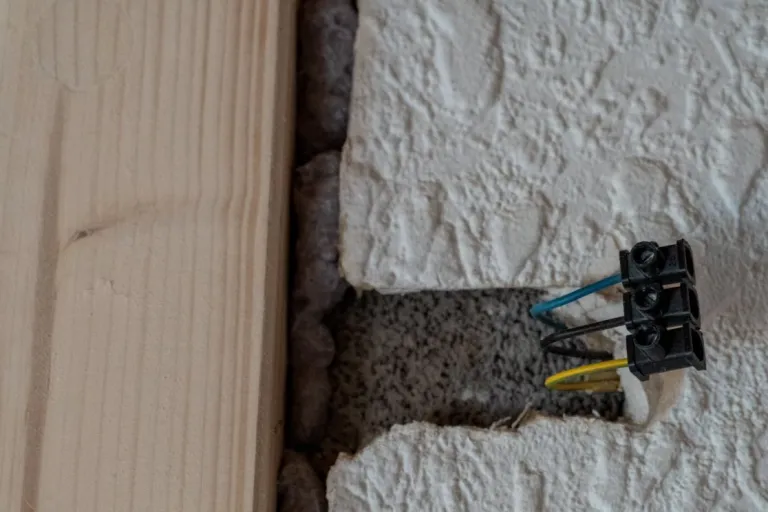
Installing Electrical Wiring
Installing electrical wiring is a fundamental process that allows a building to use energy safely and functionally. Carrying out this work correctly, neatly and safely both improves system efficiency and ensures a long service life. Below you will find the key stages to pay attention to, step by step.
1. Planning
Detailed planning is essential before starting an electrical installation. The following factors should be taken into account:
- Electrical requirements: Determine which electrical appliances will be used in which areas.
- Power requirements: Take into account the consumption of each appliance in watts.
- Socket and switch locations: Place them in suitable positions for ease of use in each room.
- Circuit planning: Decide in advance which circuits will serve which areas
2. Material Selection
The quality of the materials used is decisive for the durability and safety of the electrical system. Pay attention to the following criteria when selecting materials:
- Cables: They should have the appropriate cross-section, flame-retardant insulation and comply with standards.
- Sockets and switches: They should be certified products from reliable brands.
- Distribution board: It should have sufficient capacity for the building's energy needs and be designed to allow for future expansion.
3. Safety
Safety measures must never be neglected during electrical installation work. Every task should be carried out in line with professional standards.
- The main power supply must be isolated before starting the installation.
- Personal protective equipment (gloves, safety glasses, suitable footwear) must be used.
- Depending on the complexity of the installation, support should be obtained from a qualified electrician.
4. Installation and Key Considerations
- Cable routes should be planned to be straight, tidy and insulated.
- Socket and switch boxes should be the correct size for mounting and securely fixed.
- All installation work must comply with local electrical regulations and safety standards.
- Once installation is complete, the system should be tested and all connections checked.